 A Nation Must Think Before it Acts
FootNotes
A Nation Must Think Before it Acts
FootNotes

A nation must think before it acts.

FootNotes
Footnotes are essays designed in particular for teachers and students and are often drawn from the lectures at our nationally recognized Butcher History Institute for Teachers.
War and Technology
War and technology have always been linked very closely. Indeed, without technology, there would probably have been no war. After all, without technology, if only in the form of sticks and stones, man’s ability to kill his own kind...
Read more »Teaching Military History—Why and How: A History Institute for Teachers
FPRI Senior Fellow Jeremy Black of the University of Exeter addressed the frequent criticism that teaching military history somehow encourages bellicosity. In fact, just war properly conceived is an appropriate recourse in international law; it has played a major role in...
Read more »War and the East
Teaching East Asian, South Asian or Middle Eastern military history permits students to explore the rich potential areas of study that encompass half the globe and trace back five thousand years. Moreover, since Asian states have historically been far...
Read more »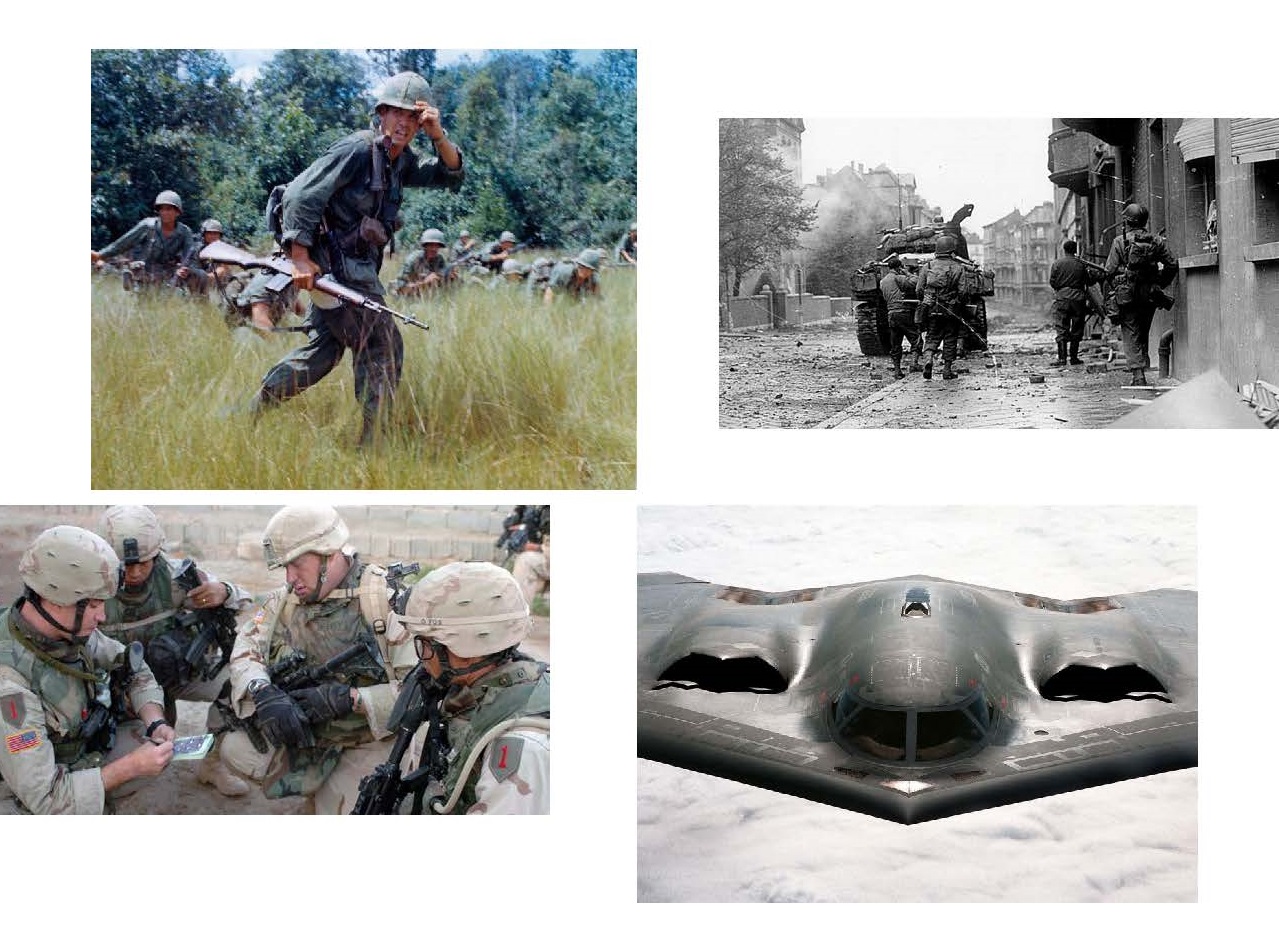
Why Teach Military History?
The usual criticism against the teaching of military history is that it in some way encourages bellicosity, that it is somehow morally questionable and actually undesirable in the academy at any level. However, war, though undesirable in many of...
Read more »Living Without Freedom: A History Institute for Teachers
The Soviet Gulag David Satter, Senior Fellow at the Hudson Institute and Research Fellow, Hoover Institution, explained how the Soviet Union illustrated the mechanisms of repression in unfree societies that condition people to obey. The early Bolsheviks’ conviction that...
Read more »The Social Dimensions of the U.S. Civil War
In 1989 an article appeared in the Journal of American History that asked rhetorically, “Have Social Historians Lost the Civil War?” It observed that when historians analyzed social developments within the United States, they tended to focus on pre-Civil...
Read more »The Soviet Gulag
Not all the mechanisms of repression in unfree societies are violent. People can be conditioned to obey, and once the proper conditions have been put in place, the influence of mass conformity renders people powerless to resist even what...
Read more »Freedom: The History of an Idea
We live in a moment that is as critical for freedom as the American Revolution, the American Civil War, or the days following Pearl Harbor. In each of those moments, America moved the cause of freedom forward. In the...
Read more »Living Without Freedom in China
It’s not easy for American students to know what it means to live without freedom. They know all the bad things about their own country—Virginia Tech, Guantanamo, Abu Ghraib, the Enron and Halliburton scandals, the LA riots, elections stolen,...
Read more »The Cultural Revolution and Beyond
Losing freedom is a painful thing. But exactly how painful it is can vary. For the average child, not being allowed to go outside and play, or for an employee, being forced to work, are losses of freedom. These...
Read more »