 A Nation Must Think Before it Acts
China & Taiwan
A Nation Must Think Before it Acts
China & Taiwan

A nation must think before it acts.

China & Taiwan

Trump’s Return: Implications for the Indo-Pacific
Donald Trump’s return to the White House could bring a shift in U.S. foreign policy, with significant implications for the Indo-Pacific region. Given the region’s growing importance in global trade, security, and geopolitics, his approach could reshape how the...
Read more »
Narrative Intelligence: Detecting Chinese and Russian Information Operations to Disrupt NATO Unity
Introduction As geopolitical conflicts are increasingly shaped by misleading and deceptive information, Open Source Intelligence (OSINT) has become an indispensable tool in understanding adversarial information operations and being able to compete in the information environment. Noting the value of...
Read more »
The Battle to Shape Trump’s China Policy
This week, the Wall Street Journal editorial board asked Donald Trump why China would not invade Taiwan on his watch. Trump told the Journal that the Chinese would not dare to invade. As Trump put it: “ knows...
Read more »
Breaking the Barrier: Four Years of PRC Military Activity Around Taiwan
On September 17, 2020, the Republic of China’s (Taiwan’s) Ministry of National Defense (MND) released its first-ever “real-time military update” documenting two incursions into the country’s air defense identification zone (ADIZ) by two Y-8 anti-submarine warfare aircraft from the...
Read more »
Re-Balancing the Strategy of Tech Containment
America has a limited window of opportunity in its rivalry with China. To exploit this, expanded export controls can be used to slow Chinese innovation. Time is therefore a strategic pillar of technology containment. It enables the sequenced implementation...
Read more »
The BRICS Challenge to the G7 Established International Order
G7 and BRICS The G7, led by the United States in the Global North, and BRICS, led by China in the Global South, are each working diligently to control the rules-based international order. To better understand this competition, it...
Read more »
Breaking the Circuit: US-China Semiconductor Controls
In October 2022, the Biden administration introduced export controls to limit China’s access to advanced US semiconductors and technologies, aiming to maintain US technological superiority and address security concerns. These controls, targeting areas such as advanced chips and supercomputer...
Read more »
Explaining China’s Diffusion Deficit
Debates about national scientific and technological power tend to center on which state first generates new-to-the-world breakthroughs (innovation capacity). This essay argues that assessments of technological leadership should give greater weight to a state’s diffusion capacity, or its ability...
Read more »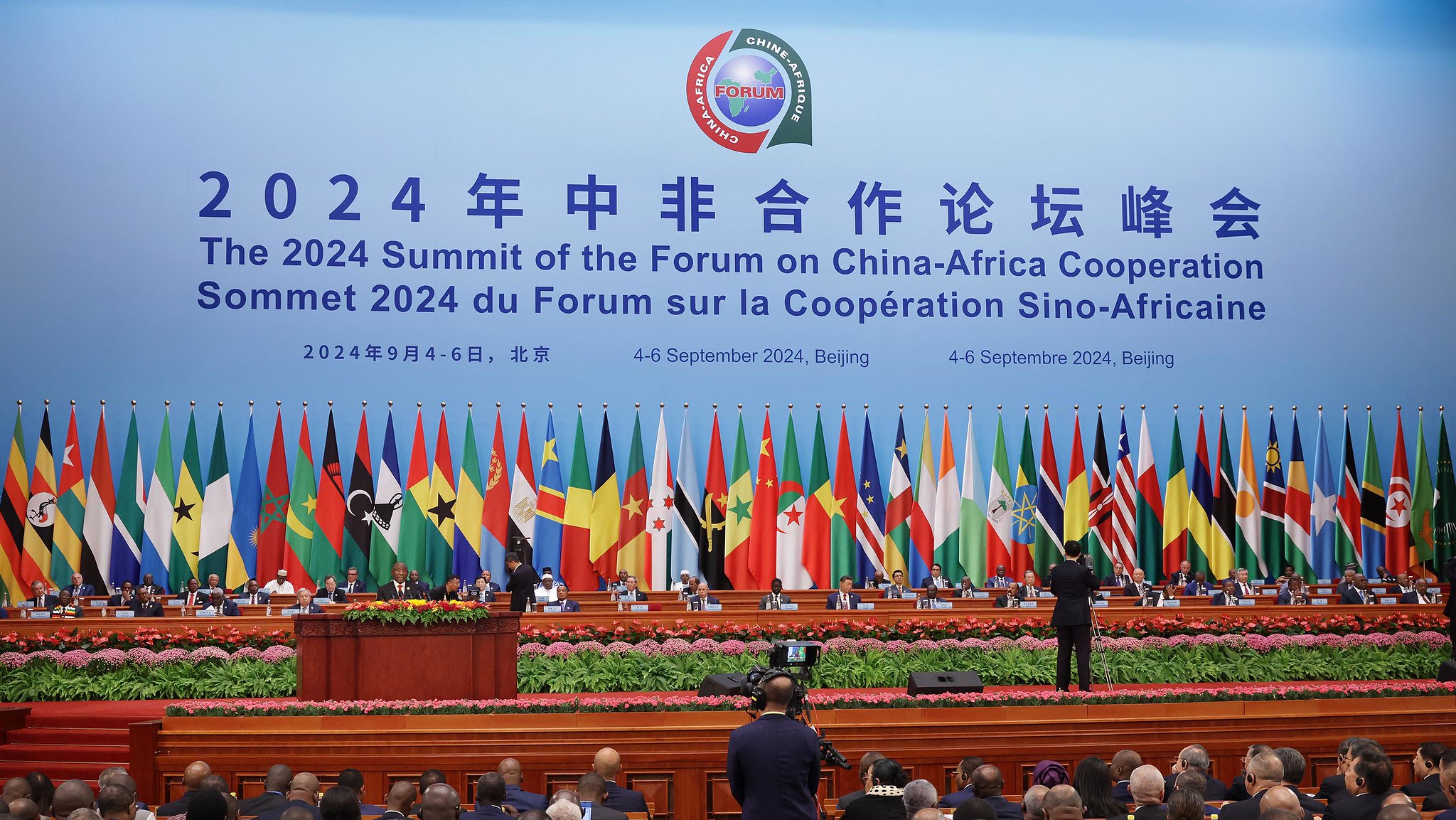
Can Democracies Deliver? Thoughts Following the 2024 China-Africa Summit
It was disappointing to see so little in-depth discussion among the US national security community at the recent 2024 Forum On China-Africa Cooperation (FOCAC) outside of the usual circles of Africanists and China specialists. The summit meeting provides a...
Read more »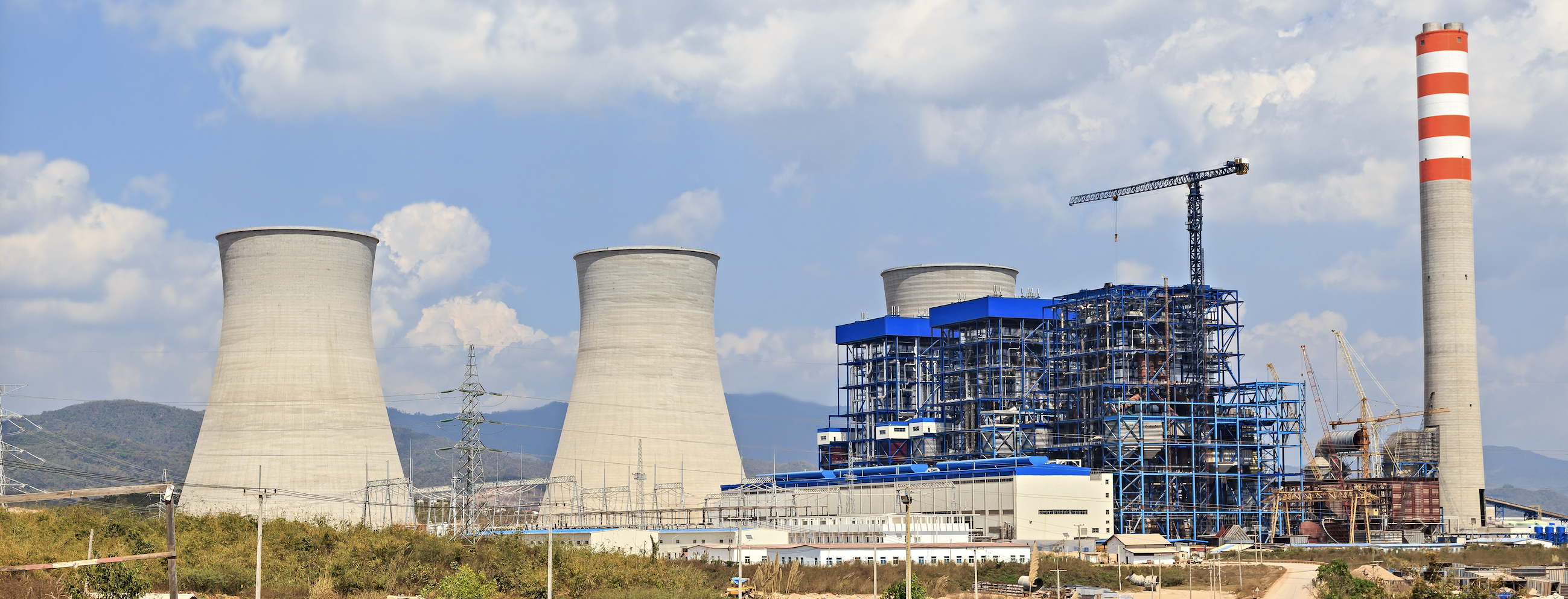
Nuclear Energy Dependence in the Indo-Pacific
The war in Ukraine has underscored the dangers of energy reliance on Russia for US national security. However, while much attention is directed toward Russia’s use of oil and gas as instruments of coercion on Europe, how Russia and...
Read more »