

A nation must think before it acts.

Ukraine

NATO: An FPRI Primer
Article II, Section 2 of the U.S. Constitution grants the President the power to negotiate alliances with the “Advice and Consent of the Senate.” Presidents made limited use of that power in the first century and a half of...
Read more »The Post-Soviet Wars: Part I
Russia’s intervention in Georgia in 2008 and, more recently, in Ukraine awaked many in the West to a category of wars they had assumed to be resolved and, in any case, of little consequence to Western security: the post-Soviet...
Read more »
The New Eurasia Energy Landscape: Conference Report
By some measures, Eurasia’s energy landscape has changed more in the past several years than in the previous several decades. The price of oil remains at half its level of four years ago and shows no sign of rising....
Read more »
Of Little Green Men and Long Black Robes: The Role of the Orthodox Church in the Conflict in Ukraine
It is an honor to have been invited to present the twenty-first Templeton Lecture on Religion and World Affairs at the Foreign Policy Research Institute. It is humbling to be part of a series that has included scholars whose...
Read more »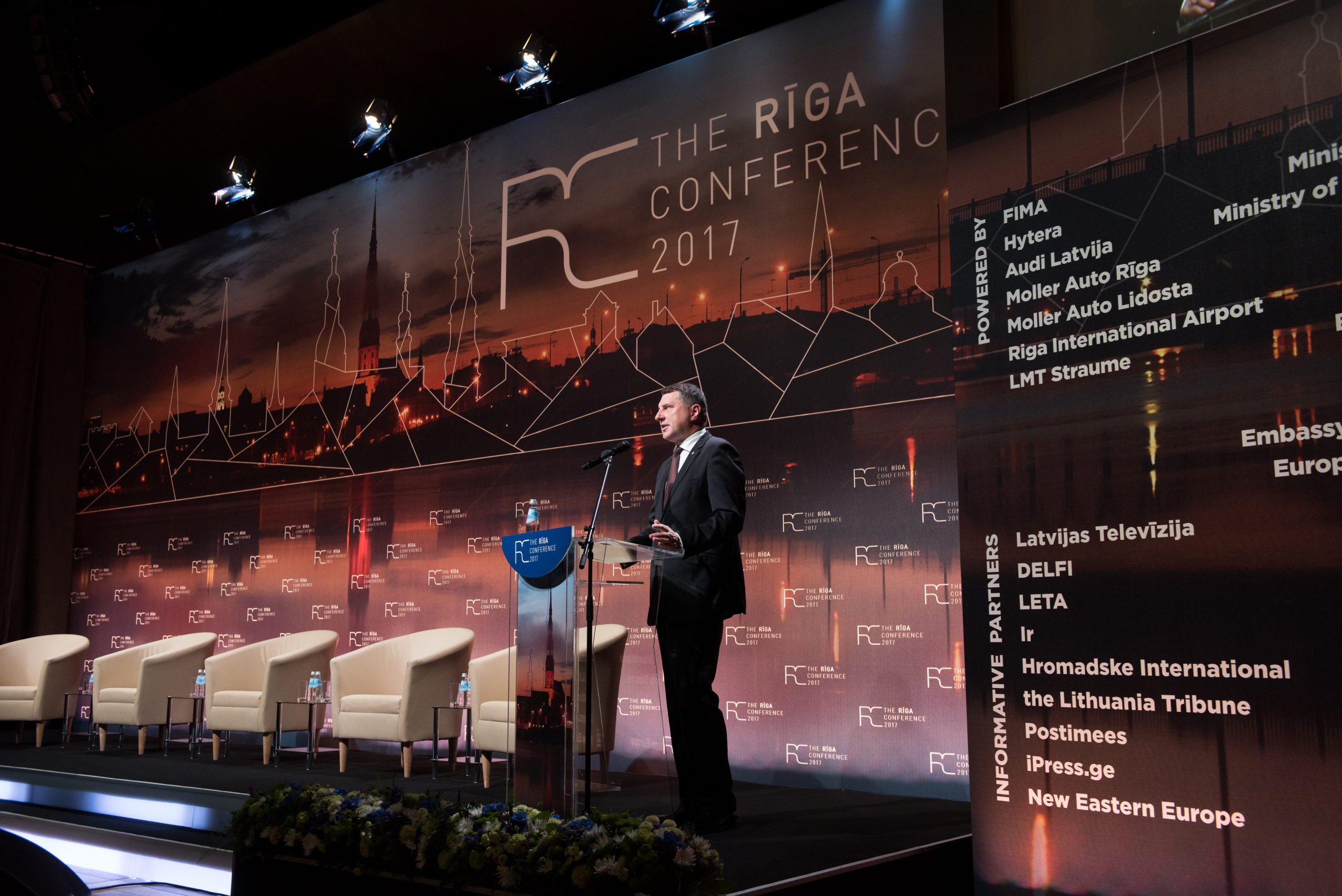
European Leaders Discuss the Future of the Baltic and Beyond at Riga
Since 2006, the Baltic states have hosted two major annual conferences on defense and security: the Annual Baltic Conference on Defense (ABCD) and its larger sibling, the Riga Conference. These flagship conferences present the cutting edge of Baltic thought...
Read more »
Ukraine and Chinese Investment: Caution Amid Potential?
As Ukraine’s recent economic difficulties persist—the country registered a modest growth rate of 2.3% in 2016, and painful IMF-mandated reforms continue to progress slowly—optimistic commentators forecast an increase—and eventual surge—in Chinese investment in the country. Speculation has been driven...
Read more »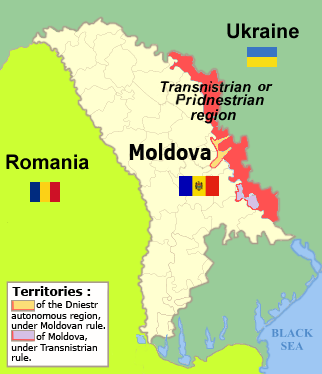
The Transnistrian Conflict: A Destabilizing Status Quo?
The conflict in Transnistria is the last secessionist conflict in the post-Soviet space that remains “frozen,” in the sense that unlike in Georgia or Nagorno-Karabakh, both sides agree on the boundary line, and there is no ongoing fighting. Nevertheless,...
Read more »
Considering Ukraine’s Ethnic Minorities and Their Influence on Russian Foreign Policy
Abstract Transnational Ethnic Alliance Theory at its core posits that the majority ethnic group in one state will come to the defense of its ethnic brethren that are a minority in a neighboring state, if that group is facing...
Read more »What the West Can Learn from Rationalizing Russia’s Action in Ukraine
Abstract Russia’s foreign policy decisions towards Ukraine in the context of the “Ukraine crisis” have been portrayed largely in a negative light which crudely paints Russia’s actions as being imperialistic, evil and largely irrational. This article argues that by...
Read more »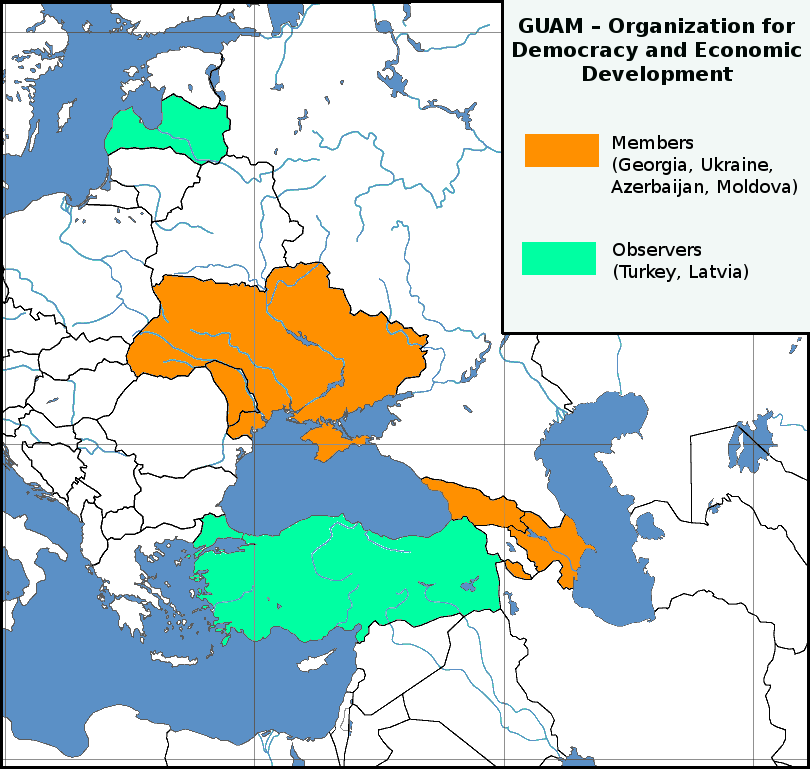
Can China Help GUAM Diversify Away from Russia?
Established in 1997, GUAM—a platform named after its members Georgia, Ukraine, Azerbaijan, and Moldova and originally created to improve multilateral collaboration between member states—is now celebrating its 20th anniversary. Despite this milestone year, the organization now lacks a clear...
Read more »